Meaningful Slowness
January, 2026 - Eindhoven University of Technology
—
M1.2 Design Research project
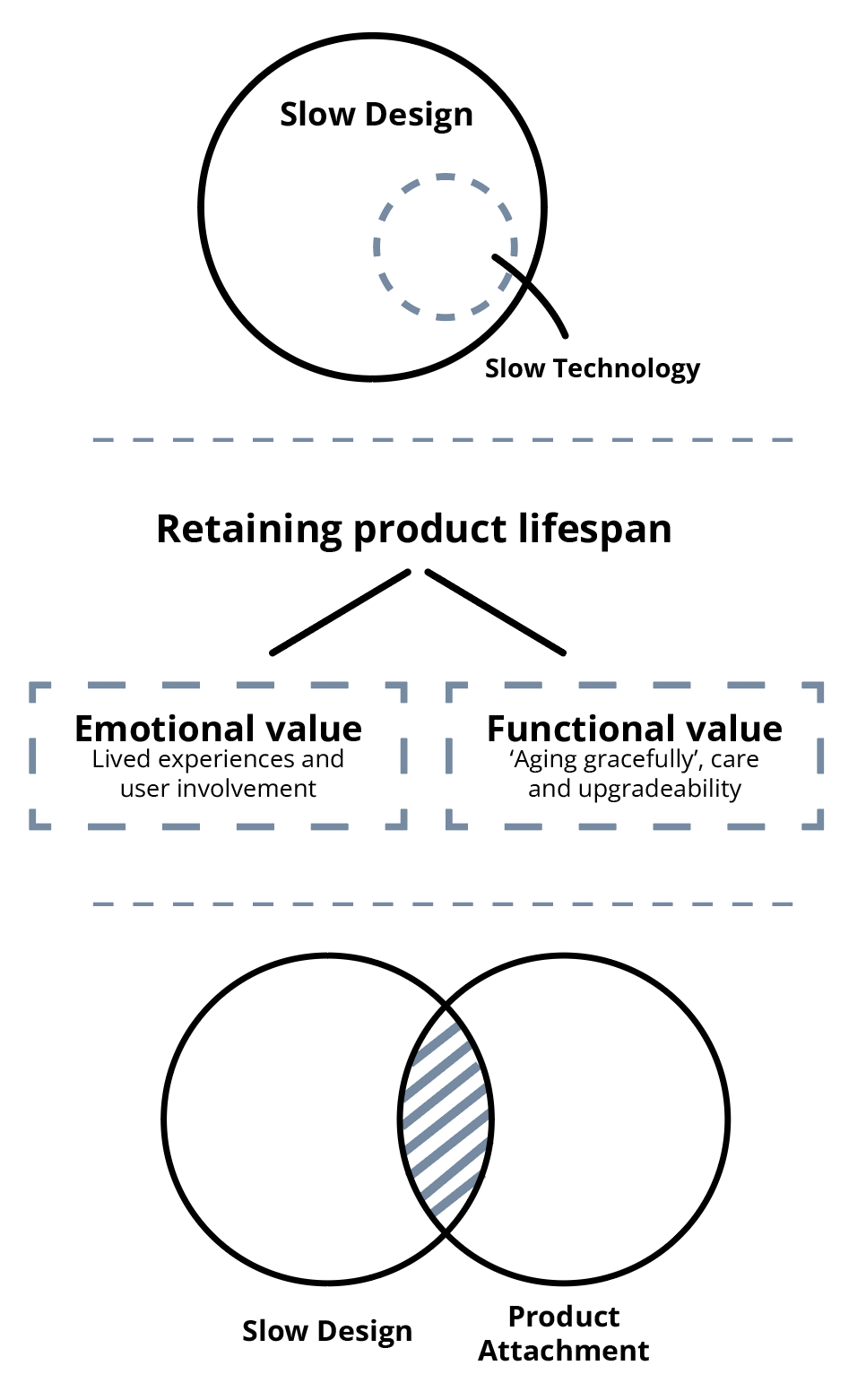
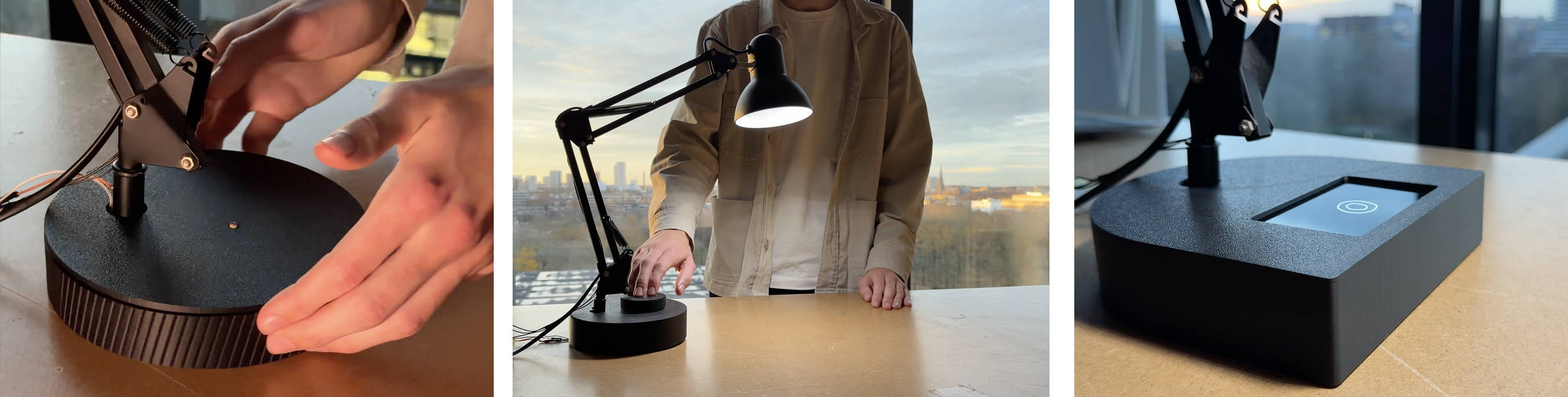
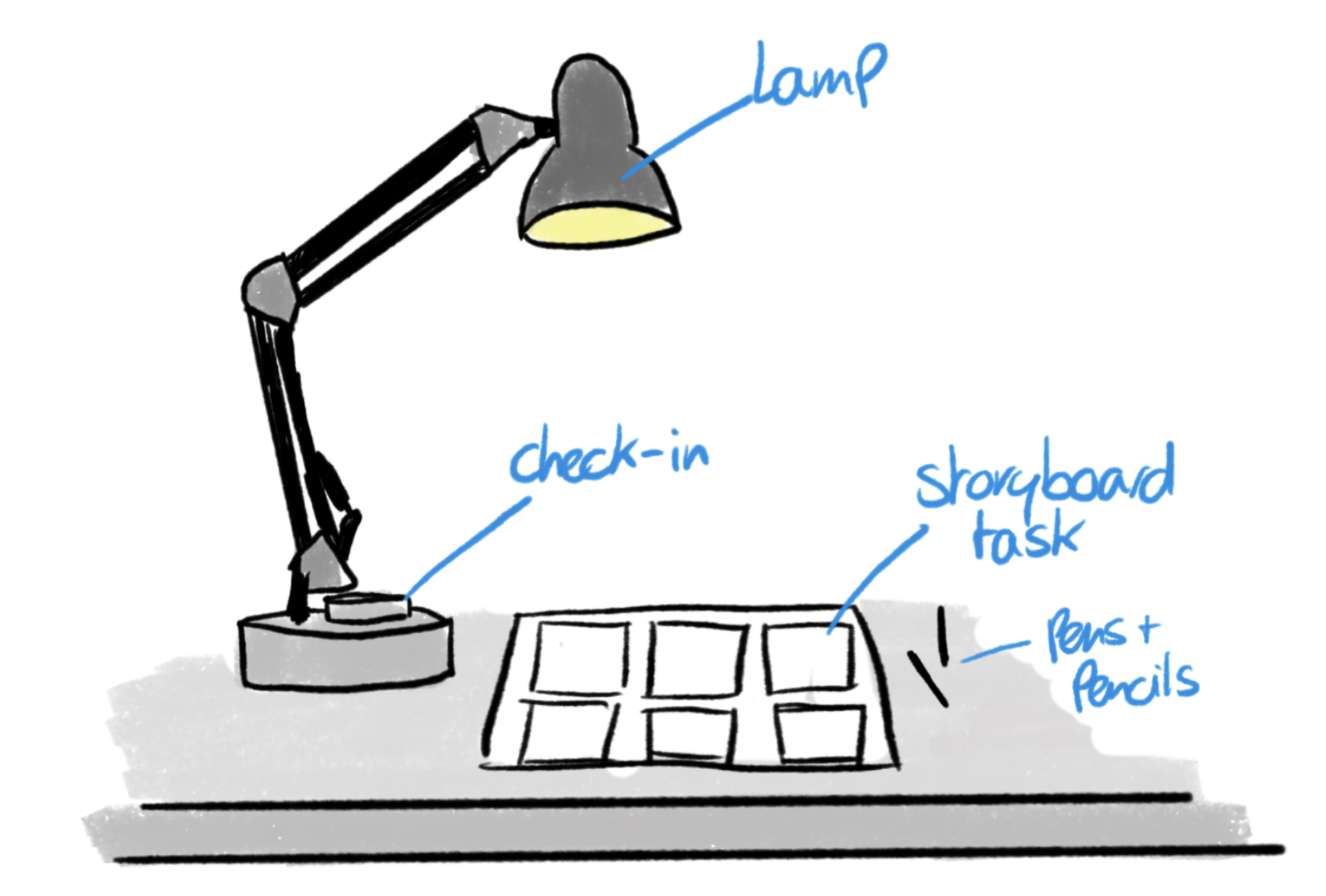
Everyday products are commonly designed around efficiency and productivity, resulting in short product lifespans, weak user-product attachment and fast replacement. This paper explores how meaningful slowness through redesigning everyday product interactions may foster longer-term relationships between users and products. Overlapping Slow Design and Product Attachment theory and adopting a Research through Design process resulted in three artefacts implementing meaningful slowness. To evaluate the experience and anticipated attachment, the artefacts were evaluated through a qualitative experiment and expert reviews. Findings revealed that, participants valued slowness when it encouraged intention, temporal awareness and reflection. In contrast, slowness was resisted when imposed pacing or delays disrupted autonomy or flow. Across the artefacts, temporal ambiguity and gradual accumulation encouraged interpretation and meaning. Participants described the lamps as co-present rather than passive tools, suggesting early signs of anticipated attachment. This work contributes to by (1) proposing a synthesis between Slow Design and Product Attachment, (2) operationalising meaningful slowness through three artefacts and (3) examining how different temporal qualities are perceived and shape anticipated attachment.